
本文へジャンプ

【エアコン入れ替え工事、だけど暑さ一服の札幌】


 ここのところ、すっかり「文筆モード」全開で過ごしておりますが、ブログでも先般の「ネアンデルタールとサピエンスの洞窟内共存の2万年」研究の興味分野に没頭気味。アタマを休めてクールダウン。
 本州以南地域ではこの間、猛暑から酷暑と過ごしにくい日々が伝わってきていますが、北海道札幌では、30度前後程度で推移して、昨日などは25-6度程度までクール気味。まぁそれなりの「暑さ」で推移していたころ、わが家のエアコンが壊れている事実が発見されていました(泣)。
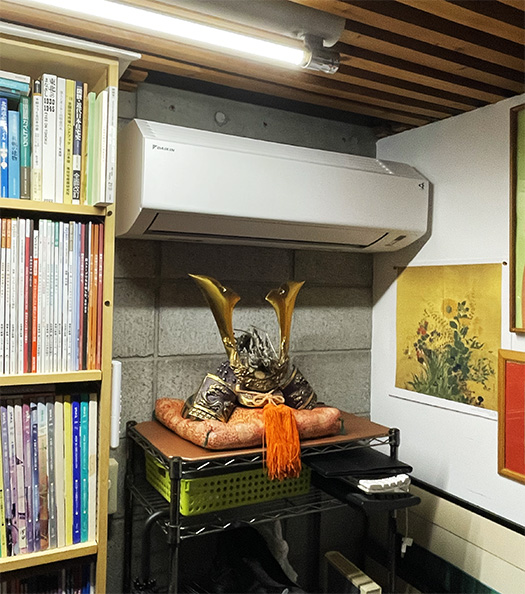
 冷房機能が壊れていて単なる「通風」のみになっていたようなのですが、わたし自身はそれにまったく気付かずにいた。たまたま、娘夫婦と会食していたときに気付かされて、そこからさっそくエアコン取り替えを手配。待つこと10日間ほどで昨日、工事に来てくれました。
 北海道では本州以南地域のようにはほぼ全戸で装備とまではなっていないようですが、わが家では職住一体ということで、とくに室内に高温を発するプリンターなどの機械装置が稼働している関係から、10年前くらいからエアコンを設置してきました。北海道全体での普及率は近年急上昇しており、約7割に達しています。約10年前の2014年時点では約26%でしたが、近年の記録的な猛暑の影響で急速に導入が進んでいる。
 という状況の中なので工事が無事に来てくれるか、不安だったのですが、親族にコネもあったので無事に工事が完了した次第。
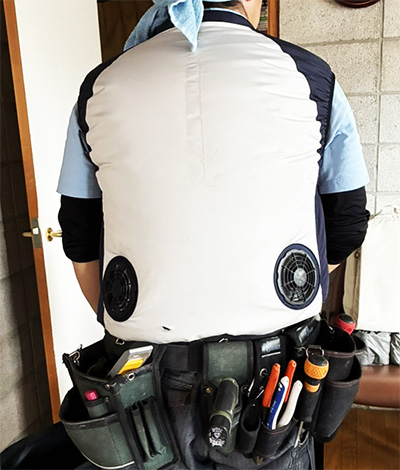
 この写真は工事をしてくれた職人さんから換気扇のような音がしていたので、聞いたら、上半身に換気扇を「体温調整」のために仕込んでいるジャンパーとのこと。充電式の電池で稼動させているそうで、いまは需要に生産が追いつかず、品薄の状況が続いているそうです。エアコンの設置工事は炎天下の外部工事も伴うので、作業効率で考えたら、たしかに必需品なのでしょう。
 ということで猛暑・酷暑への備えが万全にできた。7月末から8月上旬にもっとも暑い日がやってくる北海道札幌の気候の「波」にはギリギリ間に合ったのですが、前述のように昨日くらいからどうもクールダウン気味。朝などは少し「肌寒い」くらいの気候。
 そこそこ過ごしやすく、一方でエアコンもしっかり働いて欲しい複雑な気分の北国の夏であります。

●お知らせ
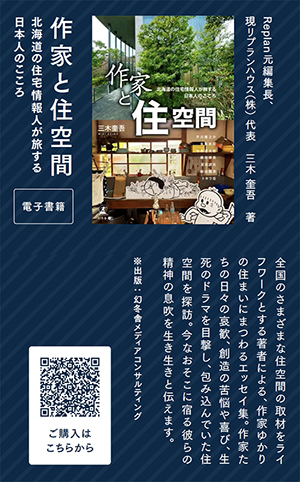
拙書「作家と住空間」幻冬舎から電子書籍で発刊
お求めはAmazonで。
https://amzn.asia/d/eUiv9yO
English version⬇

[Air Conditioner Replacement Work, But the Heat Has Eased Up a Bit in Sapporo]
I braced myself for a heat wave as intense as those on Honshu as I had my broken air conditioner replaced. The work is done, but it seems the heat has eased up a bit—which leaves me feeling a little disappointed. …

 Lately, I’ve been in full “writing mode,” and even on my blog, I’ve been getting a bit absorbed in the research on “20,000 Years of Coexistence Between Neanderthals and Sapiens in Caves.”
 I’ve been hearing that areas south of Honshu have been experiencing unbearable heat—from intense heat waves to scorching temperatures—but here in Sapporo, Hokkaido, temperatures have been hovering around 30 degrees Celsius, and yesterday it was even on the cooler side at around 25 or 26 degrees. Well, just when it was getting reasonably “hot,” I discovered that our home’s air conditioner had broken down (sob).
 It seems the cooling function had broken down, leaving it to operate in mere “ventilation” mode, but I hadn’t noticed it at all. I was made aware of it by chance while having dinner with my daughter and her husband, so I immediately arranged to have the air conditioner replaced. After waiting about 10 days, the technicians came to do the work yesterday.
 In Hokkaido, air conditioners aren’t installed in nearly every household like they are in regions south of Honshu, but since we live and work in the same space—and especially because we have equipment like printers that generate a lot of heat running indoors—we’ve had an air conditioner installed for about 10 years now. The adoption rate across Hokkaido has risen sharply in recent years, reaching about 70%. While it was only about 26% back in 2014—about 10 years ago—installations have been rapidly increasing due to the record-breaking heat waves of recent years.
Given this situation, I was worried whether the installation crew would actually show up, but thanks to some connections through family, the work was completed without a hitch.

 The craftsman who did the installation told me that the sound I heard, which sounded like an exhaust fan, was actually a “body temperature regulator” built into his jacket. It’s powered by a rechargeable battery, and apparently, production can’t keep up with demand right now, so it remains in short supply. Since air conditioner installation involves outdoor work under the blazing sun, it’s certainly an essential item when you consider work efficiency.
 So, I’m now fully prepared for the intense heat and scorching summer. I barely made it in time for the “wave” of Hokkaido’s Sapporo climate, where the hottest days typically arrive from late July to early August, but as mentioned earlier, it seems to have cooled down a bit starting around yesterday. In the mornings, it’s even a little “chilly.”
It’s a summer in the northern regions where I have mixed feelings—it’s reasonably comfortable, yet I also want the air conditioner to be working hard.

● Announcement
My book, “Writers and Living Spaces,” has been published as an e-book by Gentosha.
Available on Amazon.

【人類太古から普遍の文化/音楽のルーツ痕跡】


 国立科学博物館での「人類史再学習」。高齢期に立ち至ってはじめて学ばせられる覚醒感。
 いかに「ボーッと」生きてきたか、わが身の愚かさをつくづくと思い知らされます。しかし現代に至ってこういった人類史の知見は広範に、そして深く探究されてきているのでしょう。PCなどの情報機器の普及、そしてWEBという情報通信・交換手段の急発展などが「情報進化」を促進しているのでしょう。
 そしていま、AIの利活用も急速に普及して、さらに加速していくだろうと思われます。
 先日「実用・食用として役には立たないが、美しいもの」への人類の基本的志向性ということを考えて見たのですが、さらに展示では「音楽のルーツ」までも公開されていた。以下説明文から引用。
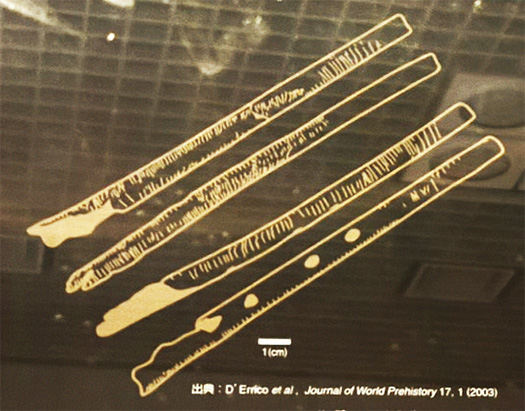
 〜ヨーロッパの遺跡からは、鳥の骨製のフルートが多数発見されている。その一部は3方年前より古く、確実な楽器としては世界最古である。音楽は各地のホモ・サピエンス社会に普遍的であり、おそらくアフリカにいた共通祖先の時代からあったのであろう。・・・フランスのイストゥリッツ遺跡から出土した、2方7000~2万年前のフルート。側面には細かな刻み模様がつけられている。(残念ながら実物・複製ではなくイラスト表現だけだったが)〜
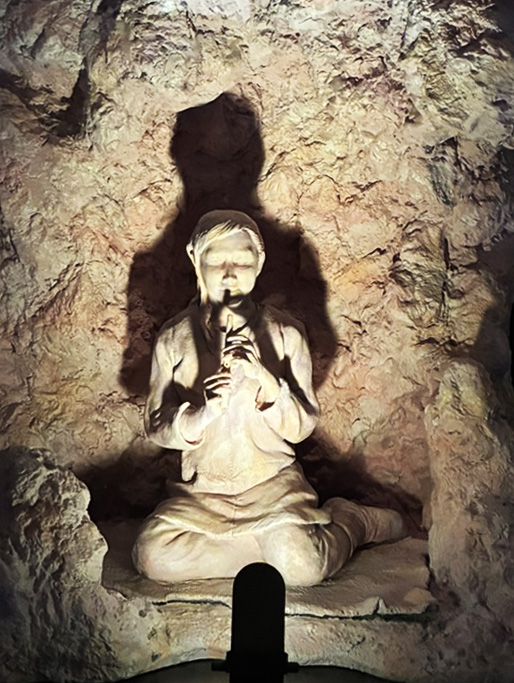
 そして洞窟生活のなかでこうした楽器が奏でられて、おそらくは夜の闇の中で多くの先人たちがその音色に聞き入っていただろう情景が復元されていた。洞窟という残響効果の高い空間での演奏。捕獲した動物たちの骨類は夜の洞穴の中で利活用されただろうことがうかがい知れるけれど、そうした作業の合間にその発展形として、このように「音楽文化」が初源されていった状況が可視化されてきている。
 そういう文化発展の中から「上手に、ひとのこころを打つ演奏者・音楽家」の才能も磨かれていった事実が浮かび上がってくる。そして旋律が生まれ、詩的な情感が人類の「共通文化領域」として生成された。こうした「伴奏」楽器は、より初源的だと思える「声での訴求/歌」に随伴したことだろう。
 そこで「歌い上げられた」脳内的な文化領域は、多くのひとに普遍的な「体験」を呼び覚ますようなテーマだったに違いない。そこからひとびとに「数寄」の領域が覚醒されて音楽・芸術が初源していった。
 考古出土品としては楽器しか考えられないけれど、実はその背景にこうした人類的文化性が垣間見えてくる。こういう「様式」文化が世界各地で独自に発展していく・・・。

●お知らせ
拙書「作家と住空間」幻冬舎から電子書籍で発刊
お求めはAmazonで。
https://amzn.asia/d/eUiv9yO

English version⬇

[Universal Culture Since the Dawn of Humanity / Traces of the Roots of Music]
The very origins of “musical instruments,” said to date back 30,000 years. It is only in my later years that I have finally come across this frontier of human history research. I am simply overwhelmed by its richness. …

 “Relearning Human History” at the National Museum of Nature and Science. It’s a sense of awakening that I’ve only come to experience now that I’ve reached old age.
 It makes me keenly realize just how “spaced out” I’ve been living and how foolish I’ve been. However, in the modern era, such insights into human history have likely been explored both extensively and deeply. The widespread adoption of information devices like personal computers, along with the rapid development of the web as a means of information communication and exchange, are likely driving this “information evolution.”
 And now, the practical application of AI is rapidly spreading and is likely to accelerate even further.
 The other day, I found myself reflecting on humanity’s fundamental inclination toward “things that are beautiful, even if they serve no practical or edible purpose,” and the exhibition even showcased “the roots of music.” The following is quoted from the explanatory text.
 ~Numerous flutes made from bird bones have been discovered at archaeological sites across Europe. Some of these date back more than 30,000 years and are the world’s oldest confirmed musical instruments. Music was universal across Homo sapiens societies worldwide and likely existed as far back as the time of our common ancestors in Africa. …A flute excavated from the Isturitz site in France, dating from 27,000 to 20,000 years ago. Its sides are adorned with fine incised patterns. (Unfortunately, it was presented only as an illustration, not the actual artifact or a replica.)~
A scene was recreated depicting how such instruments were played during cave life, with many of our ancestors likely listening intently to their tones in the darkness of night. Performances in caves—spaces with high reverberation. While we can surmise that the bones of hunted animals were put to use within the caves at night, the situation in which “musical culture” emerged as an evolved form during breaks from such tasks is becoming increasingly clear.
 From this cultural development, the fact emerges that the talents of “performers and musicians who could skillfully move people’s hearts” were also honed. Melodies were born, and poetic emotions took shape as a “shared cultural realm” for humanity. These “accompaniment” instruments likely accompanied what appears to be an even more primordial form of expression: “vocal expression/song.”
The cultural realm “sung forth” in the mind must have centered on themes that evoked a universal “experience” for many people. From there, the realm of “suki” (aesthetic appreciation) was awakened in people, and music and art took their earliest form.
 While musical instruments are the only artifacts we can consider from archaeological excavations, we can actually catch a glimpse of this human cultural essence in the background. This kind of “stylistic” culture developed independently in various parts of the world…

● Announcement
My book, “Writers and Living Spaces,” has been published as an e-book by Gentosha.
Available on Amazon.

【34,000年前人類遺跡の墓にみる富の集中・身分差】


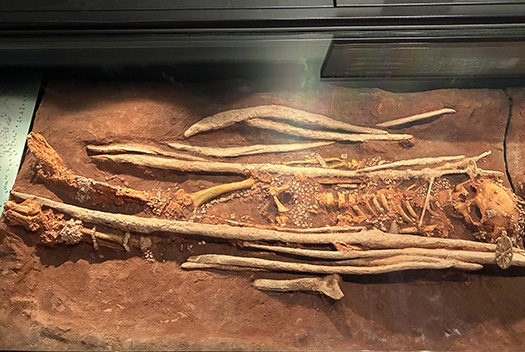
 昨日は「マンモスの牙を素材にした住宅」に驚かされたけれど、そのような人類のグレートジャーニーでの「北方展開」社会の実相を垣間見せる「墓」も展示されていた。以下、展示解説文。
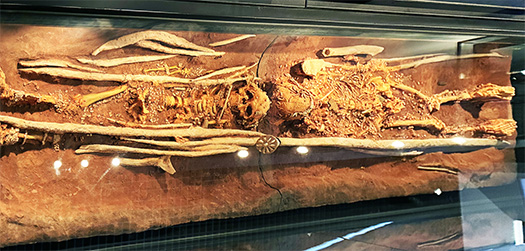
 〜スンギール遺跡の墓
 スンギール遺跡(34000年前)から発覚された成人男性の墓と、ここに展示してある10歳前後の子ども2人の墓は、例を見ない豪華な副葬品で有名である。それぞれの遺体はさまざまな装飾品におおわれていた。
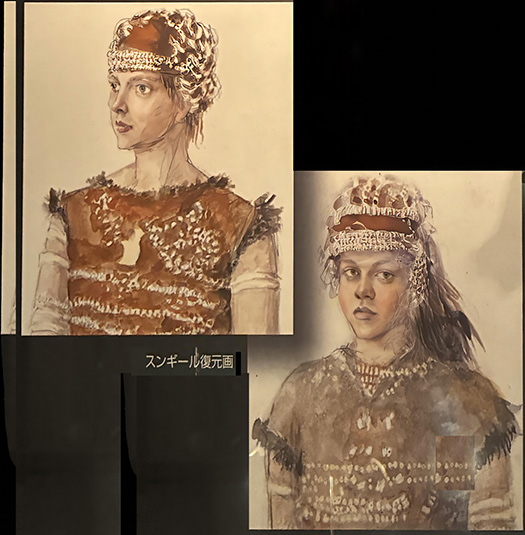
 衣服やブーツ、帽子に縫いつけられていた3,500個ほどのビーズは、マンモスの牙から削り出されたもので1つ作るだけで1時間近くかかったとされている。まだ成人前の子どもに莫大な富が与えられていることから、スンギールの社会では、身分の違いに加えて権力の相続があったのではないかと考えられている。
床画には赤い顔料がまかれている。副葬品としてマンモス牙製の槍が遺体に沿って置かれ、動物の歯とマンモス牙のビーズは衣服・帽子などに縫いつけられていた。〜
 出アフリカからの人類社会のこの時期では確実に「権力が存在し」しかもそれが世襲というカタチで存在していたことを証言している。かつてこういった人類段階での富の集中・身分格差は想像されてこなかったと思う。農耕社会が出現して以降、富の集中が進行して身分格差が出現した。それ以前は「原始共産制」とでも呼べる社会があったのだと、わたしなどの世代は「戦後教育」的に刷り込まれてきたと思う。
 わたしはそこから出発して左派的な思想を青春前期、自分の中で積み上げていった気分があった。
 そういう「空想主義」がこの墓の実相を見て完全に崩壊し去った。
 たしかに20世紀社会で出現した共産主義=独裁権力の破綻ぶりは明らか。人類の「欺瞞性の終焉」をお隣の国などに感じる。そもそもの超古代の人類史でのこういう痕跡を明々白々に見せつけられ、驚愕させられた。
 グレートジャーニー期では「集団意思」としての社会統御が不可欠だろう。マンモスのような巨大生物狩猟を実現するためには、戦略実行のための機敏な指揮命令系統の確固たる存在が合目的的。「社会がうまく機能する」ためには、必要な社会システムなのだろう。
 逆に言うとチャーチルが言ったように現代社会が到達した民主主義は「面倒だけれど、これしかない」人類進化の象徴なのだと強く思い至らされる。

●お知らせ
拙書「作家と住空間」幻冬舎から電子書籍で発刊
お求めはAmazonで。
https://amzn.asia/d/eUiv9yO

English version⬇

[Concentration of Wealth and Social Inequality as Seen in a 34,000-Year-Old Human Archaeological Site]
Better late than never (lol)—I’m finally studying empirical human history. I’m amazed by the tangible evidence that the driving force behind human development was the “evolution” of command structures and power. …

 Yesterday, I was amazed by the “house made from mammoth tusks,” but the exhibition also featured “graves” that offer a glimpse into the reality of the “northern expansion” society during humanity’s Great Journey. Below is the exhibition description.
 ~Graves from the Sungir Site
The grave of an adult male discovered at the Sungir Site (34,000 years ago) and the graves of two children around 10 years old on display here are famous for their unprecedentedly lavish grave goods. Each body was covered with various ornaments.
 The approximately 3,500 beads sewn onto their clothing, boots, and hats were carved from mammoth tusks; it is said that it took nearly an hour to make just one. Given that such immense wealth was bestowed upon children who had not yet reached adulthood, it is believed that Sungir society likely involved not only social hierarchy but also the inheritance of power.
Red pigment was scattered across the floor painting. A spear made of mammoth ivory was placed alongside the body as a grave offering, and beads made from animal teeth and mammoth ivory were sewn onto clothing, hats, and other items. ~
This serves as clear evidence that, at this stage of human society following the Out-of-Africa migration, “power definitely existed” and was passed down through hereditary succession. I believe that, until now, the concentration of wealth and social stratification at this stage of human development had never been imagined. I believe that my generation, shaped by “postwar education,” was indoctrinated to believe that prior to the emergence of agricultural societies, there existed a society that could be called “primitive communism,” and that the concentration of wealth and the emergence of social stratification occurred only after that.
 Starting from that premise, I felt as though I had built up leftist ideologies within myself during my early youth.
 That kind of “utopianism” completely collapsed upon seeing the true nature of this tomb.
 Certainly, the collapse of communism—which emerged in 20th-century society as a form of dictatorial power—is evident. I sense the “end of human hypocrisy” in neighboring countries, for example. But to be confronted so starkly with such traces from the very dawn of human history left me utterly astonished.
 During the “Great Journey” era, social control through “collective will” must have been indispensable. To successfully hunt giant creatures like mammoths, a solid, agile chain of command for executing strategies is essential. It is likely the social system necessary for “society to function properly.”
Conversely, as Churchill said, I am strongly led to believe that the democracy modern society has achieved is a symbol of human evolution—one that is “troublesome, but there is no other choice.”

● Announcement
My book, *Writers and Living Spaces*, has been published as an e-book by Gentosha.
Available on Amazon.


【マンモスの骨で作った家、人類寒冷地住宅の祖型】


 人類史という巨視的な歴史には圧倒的な、有無を言わせぬ迫力を感じさせられる。
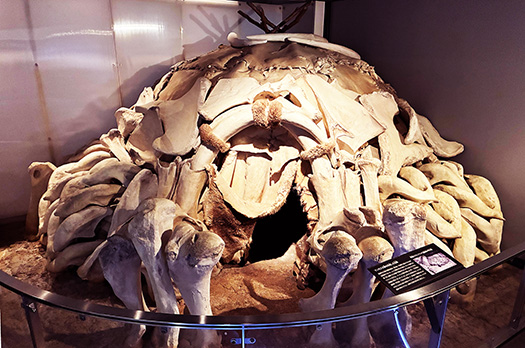
 現代世界にまで繋がってくる「魂のルーツ」みたいなものが深く襲ってくる。わたしもしばらくぶりにこの国立科学博物館を訪れたので、たぶん展示が相当にリニューアルしているのか、わたしの不注意での見落としか、思わず目を見開かされていたのがこの「マンモスの骨製の家」。
解説は以下のようだった。
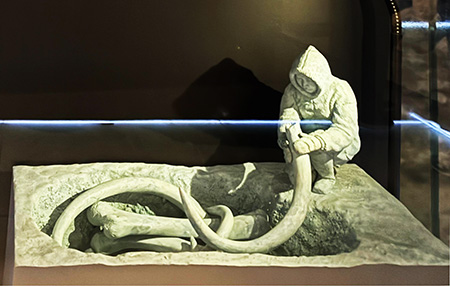
 〜マンモスの骨を利用した住居
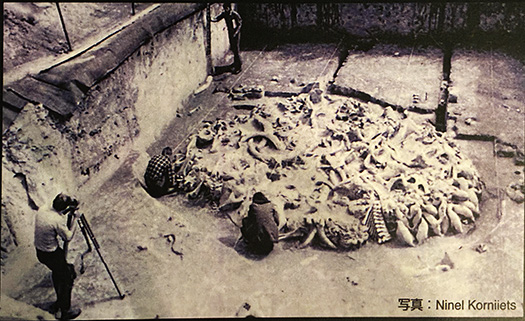
 機能的な住居の建設技術は、寒冷地へ本格的に進出するための必要条件だった。とくに草原の広がる東ヨーロッパ地域では寒い冬に避難できる洞窟や岩陰が少ないのでなおさらである。ウクライナを中心に、マンモスの骨を利用した3万~1万年前の住居跡が数多く見つかっている。なかでも圧巻なのはメジリチ遺跡第1号住居(1万8000年前)で、95個の下顎(かがく)骨をはじめ400にものぼる骨が使用されていた。この展示では、メジリチ遺跡の例をモデルに、当時の住居を部分的に復元した。〜
 人類のグレートジャーニーでシベリアの地は難関として立ちはだかり、陸続きのベーリング海峡を抜け、アメリカ大陸に到達するまで人類は寒冷気候に進路を阻まれていたとされる。当然、その寒冷地で「どう生存していくか」知恵が絞られた。食糧はマンモスなどの大型動物をハンティングすることで満たされていただろう。逆に言うと、人類のグレートジャーニーの「動機」は、そうした大型動物獲得が最大の「導き」だったのだろう。
 一方で人類が「魚類」を食用源として最適化させたのは、日本列島到達グループだったと思える。現代にまでつながる食習慣として、ユニークな人類史なのかも知れない。
 で、北方に向かえば当然、日々の暮らしの拠点である「住宅」は重武装化、寒さへの対応を必然化させる。いや、そもそも住宅の構造材として「木材」が獲得できなかった。そういう現実に直面した人類が、マンモスの食用後の巨大な骨に着目したのは、ごく自然だろうとは思う。
 また、一方で「断熱」という機能について、その外皮の毛皮が着目されるのもこれまた自然。
 しかし、複雑な形状の骨をどう「組み合わせるか」、最初期にこうした住宅を考えた祖先は、知能をフルに活性化させたに違いない。「えっと、あの骨は継ぎ合わせ部分がこうなっているから・・・」と複雑な3次元形状と格闘しながら、創造に向かったことだろう。 性能とデザイン・・・。

●お知らせ
拙書「作家と住空間」幻冬舎から電子書籍で発刊
お求めはAmazonで。
https://amzn.asia/d/eUiv9yO

English version⬇

[Houses Made from Mammoth Bones: The Prototype of Human Housing in Cold Climates]
The question of “How to survive in a cold climate?” presented humanity with a monumental challenge for survival. Structure and insulation. Our ancestors brought a brilliant “solution” to life. …

 The grand scale of human history evokes an overwhelming, undeniable sense of awe.
 A profound sense of the “roots of the soul”—something that extends all the way to the modern world—came over me. It had been a while since I’d visited the National Museum of Nature and Science, so perhaps the exhibits had been significantly revamped, or maybe I simply overlooked it due to my own inattention, but what really caught my eye was this “house made of mammoth bones.”
The explanation read as follows:
 ~A dwelling constructed from mammoth bones
 The technology for building functional dwellings was a prerequisite for full-scale settlement in cold regions. This was especially true in Eastern Europe, with its vast grasslands, where caves and rock shelters offering refuge from the cold winters were scarce. Centered in Ukraine, numerous remains of dwellings built using mammoth bones dating from 30,000 to 10,000 years ago have been discovered. Among them, the most impressive is Dwelling No. 1 at the Mezhyrich site (8,000 years ago), which utilized as many as 400 bones, including 95 lower jawbones. This exhibit partially reconstructs a dwelling from that period, modeled after the example from the Mezhyrich site.~
 During humanity’s Great Journey, Siberia stood as a formidable obstacle; it is believed that until humans crossed the Bering Strait—which was then a land bridge—to reach the Americas, their path was blocked by the frigid climate. Naturally, they had to rack their brains to figure out “how to survive” in that cold environment. Food needs were likely met by hunting large animals such as mammoths. Conversely, one might say that the “motivation” behind humanity’s Great Journey was largely driven by the pursuit of such large animals.
On the other hand, it appears that it was the group that reached the Japanese archipelago that optimized “fish” as a food source. This may represent a unique chapter in human history, as it has led to dietary habits that continue to this day.
 So, as they headed north, it was only natural that their “dwellings”—the centers of their daily lives—would become heavily fortified, making it essential to adapt to the cold. In fact, they couldn’t even obtain “wood” as a structural material for their dwellings in the first place. Faced with this reality, it seems perfectly natural that early humans would turn their attention to the massive bones left over after eating mammoths.
 Furthermore, regarding the function of “insulation,” it’s also natural that they would focus on the fur covering the mammoths’ bodies.
 However, when it came to figuring out how to “assemble” bones with complex shapes, our ancestors who first conceived of such dwellings must have fully engaged their intellect. “Hmm, since that bone has this kind of joint…”—they likely embarked on a creative process while grappling with complex three-dimensional shapes. Performance and design…

● Announcement
My book, *Writers and Living Spaces*, has been published as an e-book by Gentosha.
Available on Amazon.
 

【人類の知的好奇心の原点・根源ってなんだろう?】


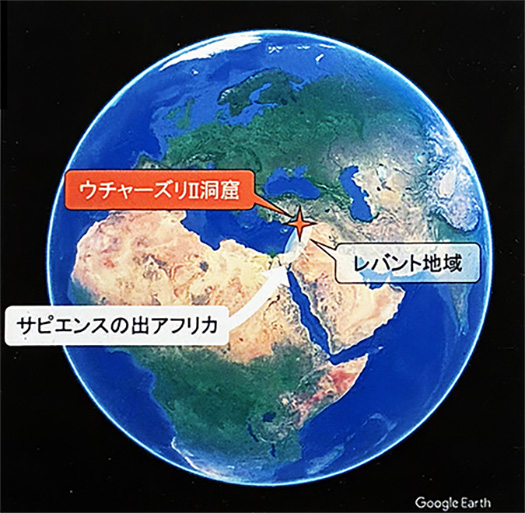
 ネアンデルタール人と現生人類の交雑・共生が2万年間続いた遺跡に心が鷲づかみされてしまったまま、時間が停止しているようです(笑)。そもそもウチャーズリⅡ洞窟のサピエンスはどこから来たのか?
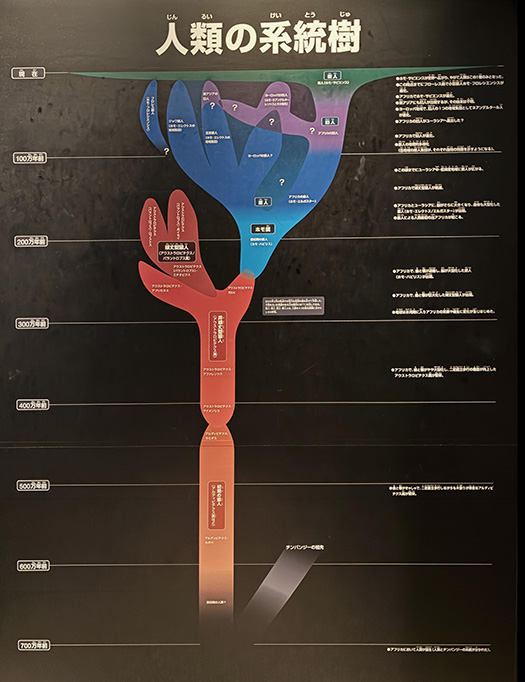
 約10万年前のサピエンスの化石が地図位置のレバントから発見されるがその後化石記録が途絶え、出アフリカまでの間この地から現生人類・サピエンスは撤退したと考えられている。
 いまわたしは歴史好きらしく、家系史探索も掘り起こし作業を並行して継続していますが、それも高々400年ほどの人間記録。2万年間の悠久な時間を共存していた時間感覚からすれば「つい最近のこと」。こういった遺跡研究はさまざまにわたしたちの想像力を無限解放してくれます。
 わたしは想像力が常に「前屈み」になり易いタイプ(笑)。そもそも科学博物館の展示案内もほんのちょっと情報断片が引っかかってきただけで、また展示物もポスターパネル6枚ほど。ほかにはウチャーズリⅡ洞窟現地でのドローン撮影とおぼしき映像がモニターに流されていただけ。
 最先端的な発見は情報解析の時間がまだ十分に掛けられないのだろうと思います。たぶん科学博の研究陣もどのように分析すべきか、活発に議論している段階なのでしょう。そういう「現段階でわかっていること」という条件づきの公開内容。
 しかし一方で情報公開されることで、さまざまな意見が世間的に盛り上がって、分析が全社会的な関心を高めていくものでしょう。それがまた科学者の分析を再加速させる。自由な「情報摂取者」としては、家系史研究と同様にその時代・時間での「人間がいだく心象・動機」を探ることになる。
 科学博側の現段階の見解は以下。
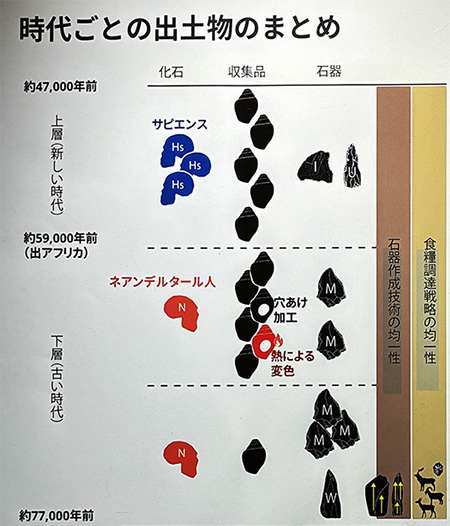
 〜見えてきた交流の中身 
■ウチャーズリⅡ洞窟でネアンデルタール人と現生人類は、2万年以上にわたり交流し均一な文化を維持していた。・同じ方法で石器を作り同じものを食べ、同じ貝殻を集めていた。
■種の垣根を超えて共通した文化を持ち得たのは交流があったからで「役に立たないが美しいもの」にまで至る共通の価値観があったのではないか。・共通の価値観が、両種の間に起きた交雑の基盤になった 〜
 アフリカタモトの貝ガラに「穴開け加工」が施されていたから、漁撈採集に向かう男性が、女性に美を飾る装身具としてプレゼント利用したのでは? と、わたしとしては直感した次第。
 もちろん証拠はない。しかし、人はどうしてもそういう情景を想像したくなる。さて・・・。

●お知らせ
拙書「作家と住空間」幻冬舎から電子書籍で発刊
お求めはAmazonで。
https://amzn.asia/d/eUiv9yO

English version⬇

[What Is the Origin and Source of Humanity’s Intellectual Curiosity?]
Naturally, it must be “the desire to live a better life.” This cry of life must always have echoed at the very root of human evolution—for Neanderthals, for modern humans, and for me as well. …

 My heart has been completely captivated by this archaeological site where Neanderthals and modern humans interbred and coexisted for 20,000 years—it feels as if time has stood still here (lol). But where did the Homo sapiens at Uchazli II Cave come from in the first place?
Fossils of Homo sapiens dating back about 100,000 years have been discovered in the Levant, as shown on the map, but the fossil record then goes cold. It is believed that modern humans—Homo sapiens—withdrew from this region until they migrated out of Africa.
 It seems I’ve become quite the history buff lately, and I’m continuing to dig into my family history in parallel—though that, too, covers only about 400 years of human history. Compared to the sense of time spent coexisting over 20,000 years, that’s “just the other day.” Research into sites like this unleashes our imagination in countless ways.
 I’m the type whose imagination tends to get carried away (lol). To begin with, the exhibition guide at the Science Museum offered only a few scattered fragments of information, and the exhibits themselves consisted of just about six poster panels. Aside from that, there was only footage—presumably drone footage taken at the Ucharsli II Cave site—playing on a monitor.
 I suspect that not enough time has yet been devoted to analyzing the data from these cutting-edge discoveries. The research team at the Science Museum is probably still in the midst of lively discussions about how best to analyze the findings. The information released is therefore conditional—limited to “what is known at this stage.”
 However, the very act of making this information public is likely to spark a lively public debate, raising society-wide interest in the analysis. This, in turn, will further accelerate the scientists’ analysis. As a free “consumer of information,” I find myself, much like in genealogical research, exploring the “mental images and motivations” of people from that era and time.
 The Science Museum’s current view is as follows.
 ~The Nature of the Interaction That Has Come to Light~
■ At Uchazuri II Cave, Neanderthals and modern humans interacted for over 20,000 years and maintained a uniform culture. ・They crafted stone tools using the same methods, ate the same foods, and collected the same seashells.
■ The fact that they were able to share a common culture across species boundaries was due to this interaction; perhaps they shared common values that extended even to “things that are beautiful but not useful.” ・These shared values formed the foundation for interbreeding that occurred between the two species. ~
 Since the shells of the African river mussel had been “pierced,” my intuition tells me that men heading out to fish and gather might have given them to women as decorative ornaments.
 Of course, there is no evidence. However, one can’t help but imagine such a scene. Well then…

● Announcement
My book, *Writers and Living Spaces*, has been published as an e-book by Gentosha.
Available on Amazon.


【2万年間の「異人類種」の文化共生の深層】


昨日に引き続き,東京国立科学博物館展示での「ネアンデルタール人と現生人類は価値観を共有していた」展示について。
 昨日食用には適さないアフリカタモトという貝ガラについて、発見者の方の肉声報告を書きましたが、どうも伝わらなかったようです。食糧の確保がきわめてキビシイ環境下で生存のために必死に海辺で暮らしている中で、食べられない貝殻を、ネアンデルタール人も現生人類も、共通してそれを採集していたことに、発見者たちは深く「えぐられていた」のですね。
 生存のために必死な貝の採集時に、あえて非食用の貝類を収集していたのには「装身具」として使っていただろうことがあきらか、なのですね。このことを発掘現地で体験した人には、人間という種の根がらみのいのちの叫び声が聞こえたのでしょう。すなわち、美へのこころのときめき。それが、食べるという基本命題と、まったく同位の価値観を持っていることの発見・・・。
 「芸術や好奇心が人類普遍の根源的な欲求である」ことを直視させられた実体験報告。
 〜■ウチャーズリⅡ洞窟に住んだネアンデルタール人とサピエンスは、2万年以上にわたり交流し、均一な文化を維持していた。
・同じ方法で石器を作り、同じものを食べ、同じ貝殻を集めていた。
 ■種の垣根を超えて共通した文化を持ち得たのは、交流があったからで、その基盤には、「役に立たないが美しいもの」にまで至る共通の価値観があったのではないだろうか。
・共通の価値観が、両種の間に起きた交雑の基盤になったのでは?〜〜
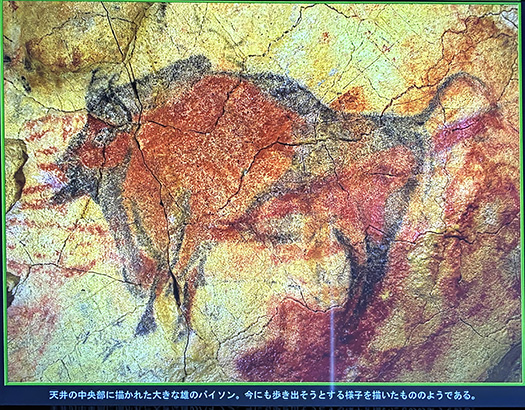
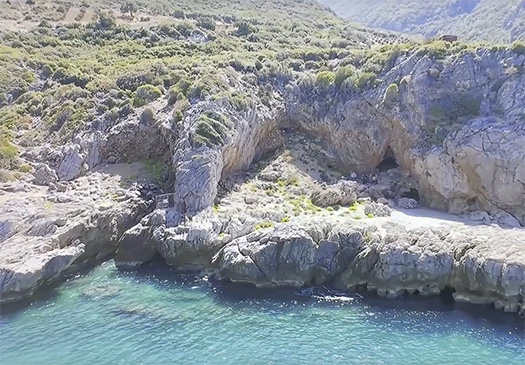
 このような交雑の結果、わたしたちのDNAには、ネアンデルタール人の痕跡も残されている。その具体的な「発掘の状況」までが、克明に展示公開されていた次第。2枚目の写真が、トルコ共和国南部に位置するウチャーズリⅡ洞窟の外観。一方、上の写真は、クロマニヨンの人びとの「心象世界」を伝えてくれる洞窟内絵画。
 人類の「こころの歴史」というものへの視点に鮮明な返答が示された気がしてならなかった。「アフリカタモト」への心象反応と同質のものが、絵画というカタチになって遠雷してくる。そしてその心象のDNAは、わたしたち現代人にも深層に宿っているのでしょう。
 こういう「科学」理解が学ばせられた次第。高齢期になって知る人類の深層部分。

●お知らせ
拙書「作家と住空間」幻冬舎から電子書籍で発刊
お求めはAmazonで。
https://amzn.asia/d/eUiv9yO

English version⬇

[The Depths of Cultural Coexistence Among “Different Human Species” Over 20,000 Years]
An experience that concretely revealed the “depths of the history of the human heart.” We confront “physical evidence” that shows a penchant for beauty, art, and curiosity are fundamental, universal human desires. …

Continuing from yesterday, I’d like to discuss the exhibit titled “Neanderthals and Modern Humans Shared Values” at the National Museum of Nature and Science in Tokyo.
Yesterday, I wrote about the shell of the African clam, which is unsuitable for human consumption, based on a firsthand account from the person who discovered it, but it seems my point didn’t quite get across. Living on the seashore, desperately struggling to survive in an environment where securing food was extremely difficult, the fact that both Neanderthals and modern humans were collecting these inedible shells deeply “struck a chord” with the discoverers.
 It is clear that the reason they deliberately collected these inedible shells while desperately gathering shellfish for survival was to use them as “ornaments.” Those who experienced this firsthand at the excavation site must have heard the primal cry of life inherent to the human species. In other words, the heart’s thrill at beauty. The discovery that this holds a value entirely on par with the fundamental necessity of eating…
 A firsthand account that forced us to confront the fact that “art and curiosity are universal, fundamental human desires.”
 ~■ The Neanderthals and Sapiens who lived in the Uchazuri II Cave interacted for over 20,000 years and maintained a uniform culture.
・They crafted stone tools in the same way, ate the same foods, and collected the same seashells.
 ■ The fact that they were able to share a common culture across species boundaries was due to their interaction; might the foundation of that have been a shared set of values that extended even to “things that are beautiful but not useful”?
・Could these shared values have served as the foundation for the interbreeding that occurred between the two species? ~~
 As a result of this interbreeding, traces of Neanderthals remain in our DNA. The exhibition even provided a detailed account of the specific “excavation findings.” The second photo shows the exterior of the Uçahirli II Cave, located in southern Turkey. Meanwhile, the photo above depicts cave paintings that convey the “inner world” of the Cro-Magnon people.
 I couldn’t help but feel that this provided a vivid response to the perspective on humanity’s “history of the heart.” A mental response similar to that evoked by “Afrikamotomo” reverberates like a distant thunderclap, taking the form of these paintings. And surely, the DNA of that mental imagery still resides deep within us modern people as well.
 This is the kind of “scientific” understanding I was taught. It is a deep aspect of humanity that I have come to know in my later years.

● Announcement
My book, *Writers and Living Spaces*, has been published as an e-book by Gentosha.
Available on Amazon.


【科学博「ネアンデルタールと現生人類の共生記録」学習】


 今回の東京行きで主目的は別にすれば、強く惹かれていたのは国立科学博物館の展示。「ネアンデルタール人と現生人類は価値観を共有していた」を学習すること。
 歴史学習はわたしの数寄の基本。って言うか、人間の生きてきたことに興味を持たない人間などはいないと思いますね。それぞれが「学び続けて」いるのだと思います。で、今回訪問先を整理していて東京上野で「新情報」を確認したいと強く希望していた。断片的には各種メディア情報で「トルコ南部・ウチャーズリⅡ洞窟で、ネアンデルタール人と現生人類(サピエンス)が数万年間、共住していた」という新発見を日本の科学博メンバーが行った事実は報道されていた。
 報道もされていたので科学博では大々的に展示されていると思いきや、実際の展示スペースと情報量は、パネル展示で6枚ほど。しかし、その情報のバックグラウンドとして「人類のはるかな全地球上拡散の旅路」の科学博が取り組んできた記録展示があるので、深みは圧倒的でありました。
 こういう科学博物館なので国民の「知る権利」を最大限尊重しすべて公開が原則とされていて、わたしのような一般人でも、撮影記録はまったくフリー。
 可能な限り科学博の最新知見を採集させていただけた次第。現代に生きているシアワセ。
 〜本研究は、トルコ、フランス、日本(京都大学、当館、福岡大学)による国際共同研究。本成果は2026年7月7日(日本時間)に米国の科学誌「米国科学アカデミー紀要)」に掲載されました。〜 という公開情報。
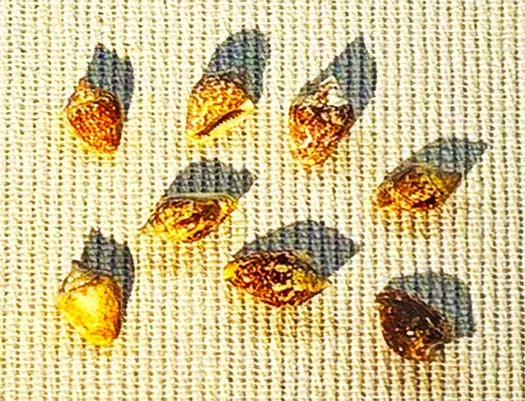
 2枚目の写真はこの研究の京都大学担当者・森本直記氏がとくに言及されていた非食用の貝「アフリカタモト」の標本展示。「ネアンデルタール人も現生人類も同じょうに収集して洞窟に持ち帰り、ネアンデルタール人により装飾品に加工されていた貝の現生同種の標本。従来、この貝の利用はサピエンスに限られると考えられてきた」との解説本文。
 そしてさらに肉感的に「刺さってきた」のは次の感想。「数万年前の洞窟時代、食糧入手は切実で文字通り死活問題だったはず。その環境でも食べられもしない貝殻に価値を感じていたことは、ヒトという生物にとって芸術や好奇心が根源的な欲求であることを意味していると私は考えています。」
 ・・・この深遠さに、目がクラクラしてしまった次第です。う〜む。

●お知らせ
拙書「作家と住空間」幻冬舎から電子書籍で発刊
お求めはAmazonで。
https://amzn.asia/d/eUiv9yO

English version⬇

[Learning from the Science Exhibition “Records of Coexistence Between Neanderthals and Modern Humans”]
The latest findings on human history, published on July 7, 2026, in the U.S. scientific journal *Proceedings of the National Academy of Sciences*. Hearing the discoverer’s own words left me feeling dizzy. …

 Aside from the main purpose of this trip to Tokyo, what really drew me in was an exhibition at the National Museum of Nature and Science: learning about the idea that “Neanderthals and modern humans shared common values.”
 Studying history is fundamental to my passion. Or rather, I don’t think there’s a single person who isn’t interested in how humans have lived throughout history. I believe we’re all “continuing to learn.” So, while organizing my itinerary for this trip, I had a strong desire to verify some “new information” in Ueno, Tokyo. I had seen fragmented reports in various media outlets about a new discovery made by members of the National Museum of Nature and Science: “Neanderthals and modern humans (Homo sapiens) coexisted for tens of thousands of years in the Uçahirli II Cave in southern Turkey.”
 Since it had been reported in the news, I expected it to be featured prominently at the museum, but the actual exhibition space and amount of information consisted of only about six display panels. However, because the Science Museum has long been dedicated to documenting “Humanity’s Long Journey of Global Dispersal” as the backdrop to this information, the depth of the exhibition was truly overwhelming.
 As this is the kind of science museum that upholds the principle of maximum transparency and full disclosure to respect the public’s “right to know,” even ordinary people like me are completely free to take photographs.
 I was able to gather as much of the Science Museum’s latest findings as possible. What a blessing it is to be alive in this day and age.
 ~This research is an international collaborative study involving Turkey, France, and Japan (Kyoto University, this museum, and Fukuoka University). These findings were published on July 7, 2026 (Japan Standard Time) in the U.S. scientific journal *Proceedings of the National Academy of Sciences*.~ — according to the publicly available information.
 The second photo shows a specimen of the non-edible shellfish “Africatamoto,” which Naoki Morimoto, the Kyoto University researcher in charge of this study, specifically mentioned. The accompanying text explains: “This is a modern specimen of the same species of shellfish that both Neanderthals and modern humans collected and brought back to their caves, and which Neanderthals processed into ornaments. Previously, it was thought that the use of this shellfish was limited to Homo sapiens.”
 What really “struck a chord” with me, however, was the following reflection: “During the cave era tens of thousands of years ago, securing food must have been a desperate, literally life-or-death struggle. The fact that even in that environment, people found value in shells they couldn’t even eat suggests to me that art and curiosity are fundamental desires for the human species.”
…I must admit, the profundity of this left me feeling a bit dizzy. Hmm.

● Announcement
My book, *Writers and Living Spaces*, has been published as an e-book by Gentosha.
Available on Amazon.

【東京国立博物館でも館内ショップはほぼ外人さん(笑)】


 さて、昨日は今回の東京移動での主な会合参加が無事終了。
 あらゆる事象についての活発な意見交換会で、アタマのなかもスッキリさせることができました。やはりまだまだ老け込むことは許されない(笑)。
 で、会合参加までの時間で上野の東京国立博物館参観。平成館での「空海展」がメインで参観していましたが、さすがの国立施設なので、その「深み」は圧倒的な迫り方。わたしは迷える真言宗徒なワケですが、あの平安期の時代相の中で、真言密教の果たした日本文化への影響力の巨大さを再認識させられました。
 通常のトーハク参観よりも巨大なインパクトでした。で、こちらの方は仏教寺院関係者、いわばプロのみなさんもたいへん多数参観されていたようでした。わたしとしては、最近取り組んでこさせられている(笑)手書き筆文字・一部くずし字の大量古文書群への「見方」が、それこそ「見よう見まね」で活用出来てきているなぁと意を強くさせられた次第。・・・まぁ「なんちゃって」であることは自明ですが、それでも書き手の古人と少しくは「対話」できるような気がしてきていた。自分的には「長足の進化」ぶりで、これはいよいよ、取り組みを深めたいと思わされました。新体験。
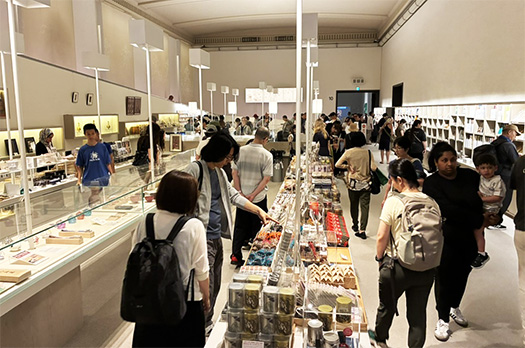
 ・・・というような参観でしたが、この空海展会場ではさすがに西洋系の外人さんチラホラ程度だったのが、その会場を出てトーハクの館内に出ると、ほぼ外人しか目に入らない状況。昨日ブログで書いた状況が、こうした施設ではさらに顕著に表れている。きのう記載の渋谷・東横線どころではなく、外国語が飛び交って海外からの来館者が非常に多い印象を受けた。
 写真はショップの店内状況ですが、ほぼ8割くらいの印象比率。
 昨日のブログを書いた後、仏教伝来期前後での大陸半島からの大量の「帰化」状況について調べてみたいと思って「帰化人と在地の人との間で、トラブルや逆に融和の様子を伝える伝承などはないだろうか?」とAIと対話してみたら以下のような返答があったので、その一部転記。
 〜京都の太秦における帰化人(秦氏)と在地人との関係についてトラブルと融和の双方を伝える伝承や記録が古典や神社の縁起に残されています。後から来た技術集団である秦氏が、もともとそこにいた人々とどう関わったのか、具体的なエピソードを。・・・〜
 この内容についても今後探究してみたいのですが、また別の稿で。
 本日大雨との札幌に帰還予定。無事に着陸できるのかなぁ・・・。

●お知らせ
拙書「作家と住空間」幻冬舎から電子書籍で発刊
お求めはAmazonで。
https://amzn.asia/d/eUiv9yO

English version⬇

[Even at the Tokyo National Museum, the shop is almost entirely filled with foreigners (lol)]
I’m happy to see foreigners who want to “get to know Japan deeply”—welcome. Japanese history is also a flexible cultural history marked by the acceptance of “naturalized citizens.” …

 Well, yesterday I successfully wrapped up the main meetings I attended during this trip to Tokyo.
It was a lively exchange of views on all sorts of topics, and it really helped clear my head. As expected, I still can’t afford to get old just yet (laughs).
 So, before the meetings started, I visited the Tokyo National Museum in Ueno. My main focus was the “Kukai Exhibition” in the Heisei Hall, and as you’d expect from a national institution, its “depth” was truly overwhelming. I’m a somewhat lost Shingon Buddhist myself, but seeing the Heian-period setting really made me realize once again just how immense the influence of Shingon Esoteric Buddhism was on Japanese culture.
 It had a far greater impact on me than a typical visit to the Tokyo National Museum. It also seemed that a large number of people associated with Buddhist temples—in other words, the “pros”—were visiting as well. For my part, I felt my confidence grow as I realized that the “perspective” I’ve been developing—through my recent efforts (laughs)—on a massive collection of ancient documents written in hand-drawn brush script, some in cursive, is starting to pay off, even if it’s just a matter of “learning by imitation.” …Well, it goes without saying that I’m still just “faking it,” but even so, I’ve started to feel as though I can have a bit of a “dialogue” with the ancient scribes. For me, this feels like a “giant leap forward,” and it has made me want to delve even deeper into this work. A new experience.
 …That was my visit in a nutshell. While there were only a few Western visitors scattered about at the Kukai exhibition hall, once I left that hall and entered the rest of the Tokyo National Museum, almost everyone I saw was a foreigner. The situation I wrote about in yesterday’s blog is even more pronounced at facilities like this. It was nothing like the Shibuya and Toyoko Line areas I mentioned yesterday; foreign languages were flying around, and I got the impression there were a huge number of visitors from overseas.
 The photo shows the scene inside the gift shop, where foreigners made up about 80 percent of the crowd.
After writing yesterday’s blog post, I wanted to look into the mass “naturalization” of people from the Asian continent and the Korean Peninsula around the time Buddhism was introduced to Japan. I asked my AI, “Are there any legends or records describing conflicts or, conversely, harmony between naturalized immigrants and the local population?” and received the following response, so I’ve transcribed a portion of it below.
 ~In Uzumasa, Kyoto, folklore and records preserved in classical texts and the founding legends of shrines describe both conflicts and harmony in the relationship between the naturalized immigrants (the Hata clan) and the local population. I’m looking for specific anecdotes about how the Hata clan—a group of technical experts who arrived later—interacted with the people who were already there. …~
 I’d like to explore this topic further in the future, but I’ll save that for another post.
I’m scheduled to return to Sapporo today amid heavy rain. I wonder if I’ll be able to land safely…

● Announcement
My book, *Writers and Living Spaces*, has been published as an e-book by Gentosha.
Available on Amazon.

【渋谷「東急東横線」入口写真、10人中外人が4人か?】


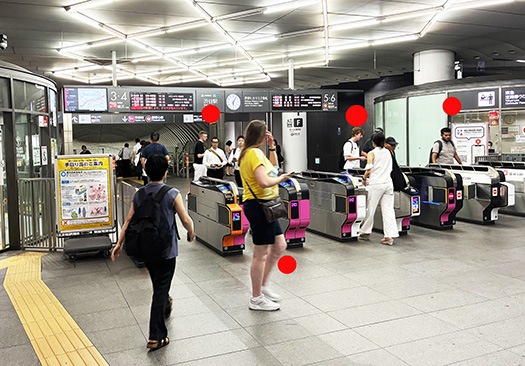
 さてほぼ半年ぶりの東京ですが、あちこち歩きまわっていると外人の姿が圧倒的に多い。円安ということで日本への渡航、長期間滞在などのコストがたぶん相当下がって来て、いまやジャパンセールスみたいな状況なのでしょうね。しかしちょっとした飲食店などでも海外の人材が目立っているので、東京の「現在人口」割合では、非常に多国籍化してきているのでしょう。
 写真はたまたま通りかかって、どこにも発見できなかった「渋谷・東急東横線」出入り口をようやく探し当てられたので写真に収めたものですが、私の印象では、海外からの旅行者や海外にルーツを持つように見受けられる人が以前よりずっと多く感じられた。外見だけの判断なので参考までですが、まぁ常態的にこれくらいの割合になっているようです。
 日本社会の少子高齢化、それと市場経済規模の維持拡大という「資本の論理」との合間で、このような状況が日本社会で露わになってきているのでしょうね。そのことが「底流」となっての政治経済社会の全状況が、現代ニッポンなのでしょう。ただし人口構成の変化そのものを善悪で語るのではなく、それを前提に社会制度や地域のあり方をどう設計していくかが、これからの課題なのでしょう。
 昨日渋谷区広尾の広域開発現場写真をアップしたら「それに引き換え、札幌すら含めた他の北海道などの地域の過疎地化ぶりは・・・」という意見が友人から寄せられていた。わたしとしては、札幌市民としてそこまでの感覚はなかったのですが、とくに北海道内の人口減少ぶりは先端的に進んでいることは事実。
 高齢化してきて自分自身のいのちとの対話がメインにはなってきますが、やはり孫子のことも合わせて考えれば、冷静に見て行かなければなりませんね。日本人の割合は日本社会全体では5-6割程度にまで下がっていく未来は、さてどのようなことが想定できるのか、沈思させられる。ほかの要因は変動するけれど、人口の要因はほぼ確実に未来に現出する事態。
 日本史では弥生期から仏教伝来期など大量の移住が繰り返されてきた。京都に残る太秦など、地名にもその痕跡が残っているけれど、その時代以上の「民族的ブレンディング」が起こっていく可能性が高い。そのことが底流要因になっていろいろな社会変容も起こっていったのでしょう。
 歴史に学びながら、行く末をデザインしていく必要があるのでしょうね。

●お知らせ
拙書「作家と住空間」幻冬舎から電子書籍で発刊
お求めはAmazonで。
https://amzn.asia/d/eUiv9yO

English version⬇

[Photo of the Shibuya “Tokyu Toyoko Line” entrance—are 4 out of 10 people foreigners?]
The conflict between Japan’s declining population and the need to maintain and develop its economy = the trend toward a multi-ethnic society. However, Japanese history also offers lessons from past experiences. We must learn from them. …

 Well, it’s been almost half a year since I was last in Tokyo, and as I’ve been walking around, I’ve noticed an overwhelming number of foreigners. With the weak yen, the cost of traveling to Japan and staying for extended periods has likely dropped significantly, so it’s probably like a “Japan Sale” right now. However, foreign workers are noticeable even in small restaurants and the like, so in terms of Tokyo’s “current population,” it’s likely becoming increasingly multicultural.
 The photo shows the “Shibuya Tokyu Toyoko Line” entrance that I finally managed to find after walking by several times without spotting it—I took the picture just because I happened to come across it. My impression is that there seem to be far more travelers from overseas and people who appear to have foreign roots than before. This is just based on appearances, so take it with a grain of salt, but it seems this proportion has become the norm.
 This situation is likely becoming increasingly apparent in Japanese society as it navigates the tension between its declining birthrate and aging population, on one hand, and the “logic of capital”—which demands maintaining and expanding the scale of the market economy—on the other. Modern Japan is defined by the overall political, economic, and social landscape shaped by this underlying current. However, rather than judging the demographic shift itself as good or bad, the challenge moving forward is how to design social systems and regional structures based on this new reality.
 Yesterday, when I posted photos of a large-scale development site in Hiroo, Shibuya Ward, a friend commented, “In contrast, look at the depopulation in other regions of Hokkaido, including even Sapporo…” As a resident of Sapporo, I hadn’t really felt that strongly about it, but it is true that population decline is progressing particularly rapidly within Hokkaido.
 As I grow older, my focus naturally shifts to reflecting on my own life, but when I also consider my grandchildren, I realize I must continue to observe these developments with a clear head. It gives me pause to contemplate what the future might hold as the proportion of Japanese people in Japanese society as a whole drops to around 50–60 percent. While other factors may fluctuate, the demographic shift is a reality that will almost certainly manifest in the future.
 Throughout Japanese history, from the Yayoi period to the introduction of Buddhism, large-scale migrations have occurred repeatedly. Traces of this can still be found in place names, such as Uzumasa in Kyoto, but it is highly likely that an even greater degree of “ethnic blending” than in those eras will occur. This likely served as an underlying factor that drove various social transformations.
We must design our future while learning from history.

● Announcement
My book, *Writers and Living Spaces*, has been published as an e-book by Gentosha.
Available on Amazon.
 

【AI利用の家系史探究&東京渋谷で広域開発現場発見】


 さて昨日、所用があって東京へ移動。東京の「広尾」地区を訪れる用件を終了後、歩いていたら目前に「広尾中学校複合施設(仮称)」という工事現場を通りかかっていた。
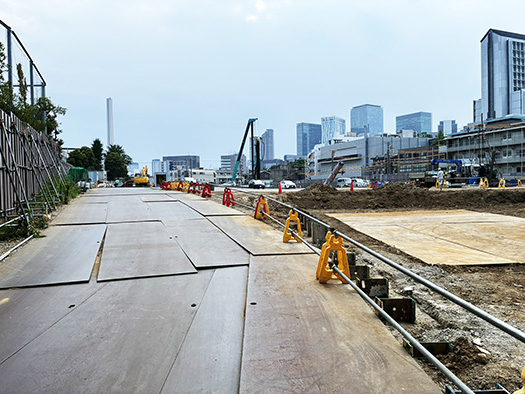
 建設会社は東急建設で、設計者名には「山下設計・藤本壮介設計共同体」ということ。工事の状況は2枚目の写真の通りですが、そこそこの広さがあるので、大型の建築が想定されるところ。広尾中学校という公共施設の建て替えだけでこういった有名設計事務所が関わることはないでしょうから、その公共用地と施設を核にしながら、ひとつの「タウン機能」を満たすような建築が想定されていると推察。
 まぁ、わたしは住宅オンリーのフィールドで生きてきた人間なので、大型のタウン造成工事などについての情報は門外漢ですが、ちょっとした「地縁」でもあるので、興味を持たされた。というか、こりゃぁ広尾が大きく再開発されて、渋谷地域の変貌がさらに巨大化するのでしょうね。
 この広尾から最寄りの恵比寿駅ではなく渋谷駅方向に下りて行ったのですが、そこから都心の宿泊地まで移動する地下鉄渋谷駅まで、学生時代からサラリーマン時代までの8年間ほど親しんでいた「渋谷」とはまったく思えないほどの地域変貌ぶり。とくにここ数年の変容ぶりにはほとんど迷子状態(笑)。どうも地域再開発のグランドデザインがまったく見られない。混沌がそのまま表出の大都会ぶり。
 ・・・というところですが、そういう道すがらでも昨日お伝えした、従兄弟同士での「家系史研究」対談をデータ化して、それを使ってまとめていくためのAIとのやり取りは同時並行。
 やはりこの時期の東京の温熱感はスゴいのでホテルに入ったら即爆睡後、やおら起き出してのやり取り。やはり「プロンプト」の書き方が決定的に重要ですね。簡単に「ハルシネーション」に落ち込ませずに、働かせるには「情報管理力」みたいなものが決定的なのだなぁと痛感させられる。
 しかしわたしなどの世代は、そもそもIT化の最先端変容の第1世代という経験知を経た存在である上に、いまはAI変容をも第1世代として受け止める存在。そういうなかでの「高齢化」なので、世代としての共通興味ゾーン「この世あの世」を強く意識する世代として、家系の情報の「デジタル的変化」にも取り組んでいかなければならない宿命。ふ〜む、これもこの時代を生きる者の因果応報なのかなぁ?

●お知らせ
拙書「作家と住空間」幻冬舎から電子書籍で発刊
お求めはAmazonで。
https://amzn.asia/d/eUiv9yO

English version⬇

[Exploring Family History with AI & Discovering a Large-Scale Development Site in Shibuya, Tokyo]
Walking through a rapidly changing metropolis while using AI to organize our family history. A construction site in Hiroo and a late-night conversation about family history at a hotel. Reimagining both the city and our memories…

 Well, yesterday I traveled to Tokyo on some business. After wrapping up my business in Tokyo’s “Hiroo” district, I was walking around when I happened to pass by a construction site labeled “Hiroo Junior High School Complex (tentative name).”
 The construction company is Tokyu Construction, and the design firm is listed as the “Yamashita Sekkei and Sou Fujimoto Design Consortium.” As shown in the second photo, the site is quite spacious, so it’s likely intended for a large-scale building. It’s unlikely that such renowned architectural firms would be involved just for the reconstruction of a public facility like Hiroo Junior High School, so I surmise that the plan is for a building that serves as a “town hub,” with the public land and facility at its core.
Well, since I’ve spent my entire career in the residential sector, I’m a complete outsider when it comes to large-scale urban development projects, but because I have a slight “local connection” to the area, it piqued my interest. Or rather, this probably means Hiroo is undergoing major redevelopment, which will further accelerate the transformation of the Shibuya area.
 From Hiroo, I headed down toward Shibuya Station rather than the nearest Ebisu Station, and the area’s transformation was so drastic that it was completely unrecognizable as the “Shibuya” I’d been familiar with for about eight years—from my student days through my time as a salaryman—all the way to Shibuya Subway Station, where I’d transfer to reach my downtown lodging. The changes over the past few years in particular have left me practically lost (laughs). It really feels like there’s no overarching master plan for the area’s redevelopment at all. It’s just a big city where chaos is on full display.
 …Anyway, even while walking along those streets, I was simultaneously working on digitizing the “family history research” conversation between my cousins that I mentioned yesterday, and using that data to compile my notes through interactions with AI.
 As expected, the heat in Tokyo at this time of year is intense, so as soon as I got to the hotel, I fell into a deep sleep, then woke up slowly to continue the work. It really drives home how critically important the way you write “prompts” is. I’m keenly aware that “information management skills”—or something like that—are essential for keeping the AI working effectively without letting it slip into “hallucinations” too easily.
 However, people of my generation have not only experienced the first wave of cutting-edge IT transformation firsthand but are now also the first generation to embrace the transformation brought by AI. Given that we’re “aging” in this context—as a generation strongly conscious of our shared interest in “this world and the next”—we’re destined to tackle the “digital transformation” of our family history. Hmm, I wonder if this is just karma for those of us living in this era?

● Announcement
My book, *Writers and Living Spaces*, has been published as an e-book by Gentosha.
Available on Amazon.